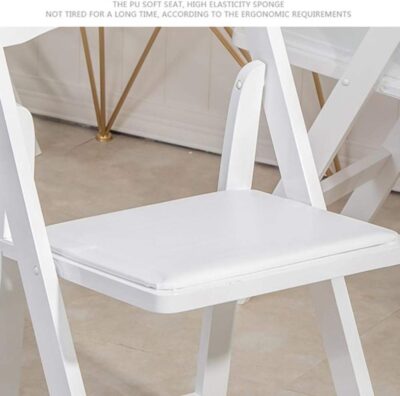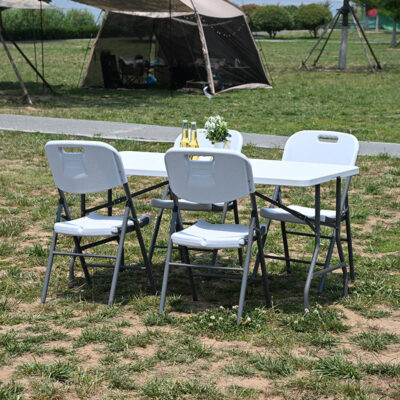


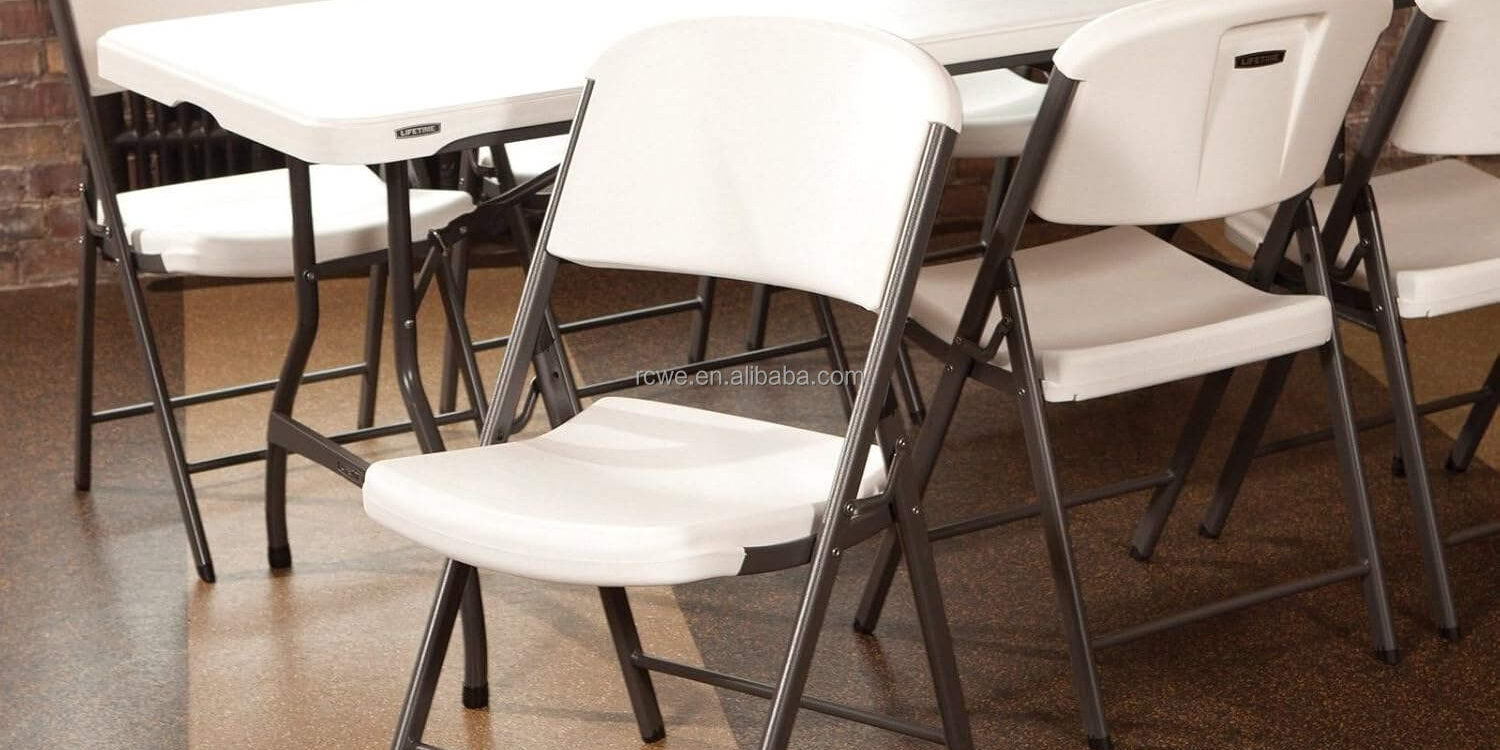
Metal folding chairs are a staple in high-capacity environments such as schools, arenas, and multipurpose halls. Known for their strength and affordability, they can withstand years of heavy use. However, their greatest weakness is rust and corrosion, especially when exposed to moisture, cleaning chemicals, or outdoor environments.
For procurement managers and facility planners, choosing the right anti-rust strategies is critical to extending the lifecycle of metal folding chairs and reducing total cost of ownership.
1. Why Rust Prevention Matters
Rust not only damages the appearance of chairs but also undermines structural integrity. Common issues include:
Weakening of joints and welds.
Sharp rust spots posing safety hazards.
Reduced stacking efficiency due to uneven surfaces.
In schools and arenas, where chairs are stored and used in bulk, rust can quickly multiply and create costly replacements.
2. Protective Coatings: First Line of Defense
Modern metal folding chairs use different coating technologies to prevent rust:
Powder coating: A dry electrostatic process that forms a thick, durable barrier against moisture and scratches.
E-coating (electro-deposition): Common in automotive parts, ensures even coverage in joints and crevices.
Galvanization: Zinc coating provides strong outdoor protection but may affect aesthetics.
Buyers should confirm which coating process their supplier uses and request salt spray test results for assurance.
3. Design Features That Reduce Rust Risks
The design of metal folding chairs also influences corrosion resistance:
Sealed joints: Prevents water accumulation in weld areas.
Drain holes: Useful for outdoor chairs to release moisture.
Rounded tubing: More resistant to dents and coating cracks compared to square tubing.
Well-engineered designs extend lifespan even in high-moisture conditions like gyms or sports arenas.
4. Maintenance Protocols for Schools & Arenas
Even with protective coatings, routine maintenance is essential:
Store chairs in dry, ventilated areas.
Avoid prolonged exposure to cleaning chemicals.
Inspect and touch up coating damage with repair kits.
Rotate inventory to distribute wear evenly across units.
With proper care, schools and arenas can double the lifecycle of their metal folding chair fleets.
5. Partnering with Trusted Suppliers
Long-term anti-rust performance depends heavily on supplier expertise. Many procurement managers secure bulk supply through Folding Chairs Wholesale, ensuring access to certified anti-rust models for institutional use.
For heavy-duty seating, working with specialized Metal Folding Chairs Wholesale allows buyers to select powder-coated or galvanized options designed specifically for high-capacity environments.
6. Cost vs. Durability Considerations
While anti-rust treatments may slightly increase the unit price, they significantly reduce lifecycle costs by lowering replacement frequency. Schools and arenas that handle thousands of chairs benefit most, as fewer replacements mean better ROI over time.
7. Practical Applications
Schools: Daily classroom use, requiring chairs that resist moisture from frequent cleaning.
Arenas & sports venues: Exposure to sweat, drinks, and outdoor conditions requires advanced coatings.
Community halls: Long-term storage in varying environments benefits from galvanized finishes.
Final Thoughts
Metal folding chairs remain one of the most cost-effective solutions for schools and arenas. However, without proper anti-rust strategies, their durability can be compromised. By selecting chairs with advanced coatings, ensuring good design features, and partnering with reliable suppliers, buyers can extend service life and protect long-term investments.
When sourced strategically, metal folding chairs deliver both strength and sustainability, meeting the needs of institutions that require reliable seating year after year.