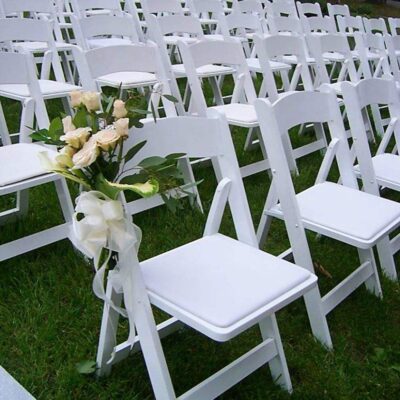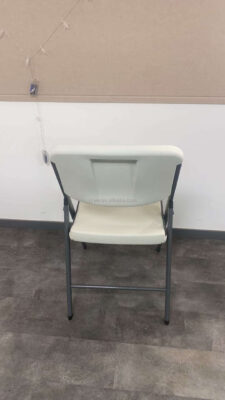


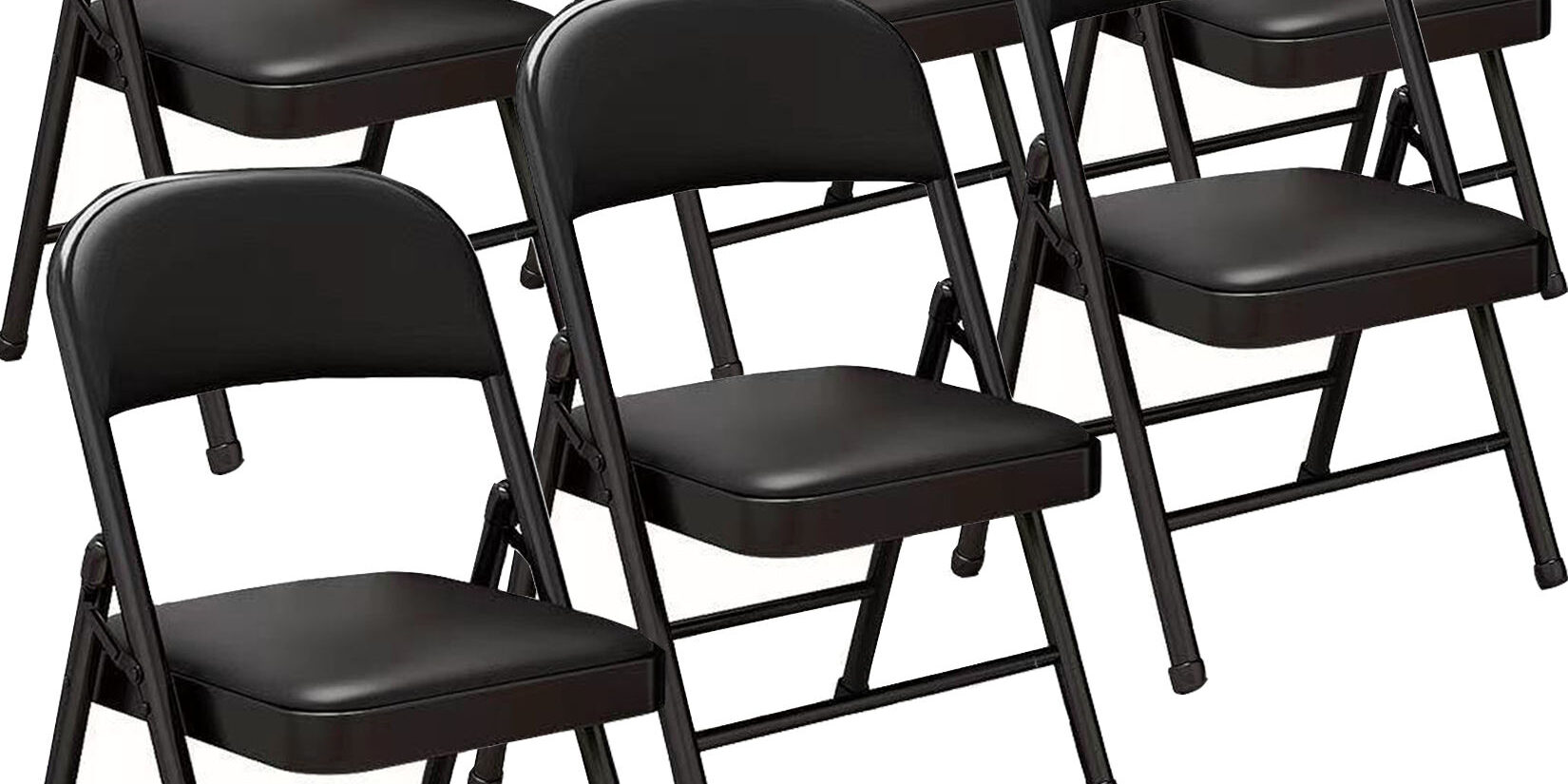
In today’s competitive event and hospitality industries, branding is everything. Seating is more than functional—it’s a visual extension of a company’s identity. From weddings and sports events to corporate gatherings, custom folding chairs allow buyers to reinforce their brand with logos, Pantone-matched finishes, and tailored designs.
This article explores the practical considerations of custom folding chairs, including logo placement, Pantone color matching, and minimum order quantity (MOQ) planning.
1. Why Custom Folding Chairs?
Custom chairs provide several advantages for venues, rental businesses, and corporate buyers:
Brand visibility: Logos on chair backs or seats create immediate recognition.
Consistency: Pantone-matched finishes ensure brand colors are accurately represented.
Professionalism: Tailored seating elevates the event’s aesthetic appeal.
Marketing leverage: Custom chairs often appear in photos, extending brand exposure.
By integrating branding into seating, businesses transform chairs from basic equipment into marketing assets.
2. Logo Application Methods
The choice of logo application affects durability, cost, and appearance:
Screen printing: Cost-effective for large MOQs but may fade with frequent use.
Pad printing: Suitable for detailed logos but best for smaller surface areas.
UV digital printing: High-resolution logos with full-color gradients.
Embossing/engraving (on wood or resin): Permanent branding for premium models.
Buyers should weigh upfront costs against long-term visibility when selecting a method.
3. Pantone Matching for Brand Consistency
Pantone color matching ensures that custom folding chairs align precisely with a company’s branding guidelines. For example:
Corporate events require chairs in exact brand tones.
Sports teams need consistent color reproduction for stadium seating.
Weddings may call for subtle pastel tones aligned with décor.
Suppliers typically require Pantone codes during design submission and provide samples for approval before mass production.
4. MOQ Planning and Lead Times
Custom production usually requires a minimum order quantity (MOQ) to cover setup costs. Buyers should plan for:
MOQ ranges: Typically 200–500 units depending on customization level.
Lead times: 30–60 days including design approval, production, and shipping.
Seasonal demand: Orders should be placed well in advance of peak seasons such as summer weddings or holiday events.
By planning MOQs strategically, businesses avoid stock shortages and reduce unit costs through economies of scale.
5. Partnering with Trusted Suppliers
Successful customization requires suppliers with design capabilities, flexible MOQs, and strong QC systems. Many buyers begin sourcing through Folding Chairs Wholesale to access large-scale production capacity.
For detailed branding projects, working with Custom folding chairs Wholesale ensures professional support in logo application, Pantone matching, and MOQ planning.
6. Applications Across Industries
Corporate branding: Chairs for seminars, trade shows, or office events.
Event rentals: Differentiation through branded, premium offerings.
Sports teams & clubs: Stadium or field chairs with team logos.
Hospitality venues: Custom seating for hotels, resorts, and banquet halls.
Final Thoughts
Custom folding chairs combine functionality with branding, making them an invaluable tool for events and hospitality businesses. By leveraging logo printing, Pantone color matching, and proper MOQ planning, buyers can maximize both marketing impact and ROI.
Partnering with experienced wholesale suppliers ensures not only design accuracy but also durable, compliant products ready for bulk use. With the right approach, custom folding chairs go beyond seating—they become brand ambassadors.