

Sustainability is no longer a trend—it is a purchasing standard for institutions, venues, and event organizers. As businesses and communities strive to reduce their carbon footprint, eco-friendly folding chairs have emerged as a popular choice. From recycled plastics to responsibly sourced wood, these chairs align with green initiatives while maintaining the durability required for commercial use.
This article explores the materials, benefits, and sourcing strategies for eco-friendly folding chairs, giving buyers the tools to make informed and sustainable decisions.
1. Why Sustainability Matters in Seating
Venues and organizations increasingly face pressure from clients and regulators to adopt sustainable practices. Furniture, particularly seating used in large volumes, plays a significant role in environmental impact. Eco-friendly folding chairs allow buyers to:
Reduce waste by choosing recyclable materials.
Promote sustainability to environmentally conscious clients.
Enhance brand image as a green event or venue operator.
2. Eco-Friendly Material Options
Sustainable folding chairs are available in several material categories:
Recycled plastics: High-density polyethylene (HDPE) made from post-consumer waste offers durability while reducing landfill waste.
Bamboo: A fast-growing renewable resource that provides natural aesthetics.
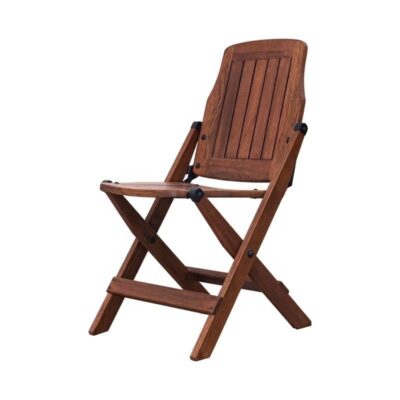
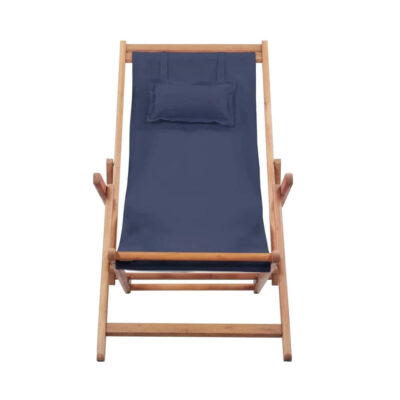
FSC-certified wood: Ensures timber is harvested responsibly.
Recyclable metals: Aluminum frames are strong, lightweight, and infinitely recyclable.
Each material brings unique strengths, making them suitable for different event types.
3. Durability Without Compromise
Buyers often fear that eco-friendly products sacrifice strength. However, modern sustainable chairs are designed to meet the same standards as traditional models:
Load-bearing capacity often exceeds 250–300 lbs.
Weather resistance with coatings that protect against UV and moisture.
Long lifecycle reduces total waste compared to cheaper, disposable alternatives.
Eco-friendly doesn’t mean fragile—it means smarter material choices.
4. Cost and ROI Considerations
While eco-friendly chairs may cost slightly more upfront, they provide better ROI through:
Marketing advantage: Venues can charge premium rates for sustainable events.
Lifecycle savings: Longer durability reduces replacement costs.
Client loyalty: Eco-conscious organizations prefer working with green-certified venues.
Over time, sustainability aligns not only with ethics but also with profitability.
5. Partnering with Sustainable Suppliers
Reliable sourcing is critical to ensuring eco-friendly claims are legitimate. Many buyers secure bulk supply through Folding Chairs Wholesale, where sustainability options are tested for durability and compliance.
For specialized eco-focused products such as bamboo or FSC-certified seating, buyers often turn to Bamboo Folding Chairs Wholesale, ensuring authenticity and alignment with green certifications.
6. Practical Applications of Eco-Friendly Chairs
Outdoor weddings: Bamboo chairs complement natural surroundings.
Corporate events: Sustainable branding aligns with ESG goals.
Schools & universities: Institutions promote green awareness by using recyclable furniture.
Community centers: Long-lasting, eco-friendly chairs reduce public sector costs.
Final Thoughts
boo, FSC-certified wood, and aluminum frames, buyers can reduce environmental impact without compromising on durability or ROI.
By sourcing through trusted wholesale suppliers, procurement teams not only meet sustainability goals but also strengthen their reputation as responsible partners in today’s green-conscious market.